Prime Minister launches Ministry of Transport Strategy 2025–2030
Strategy features 40% private sector participation in 125 projects valued at QAR 1.2 billion
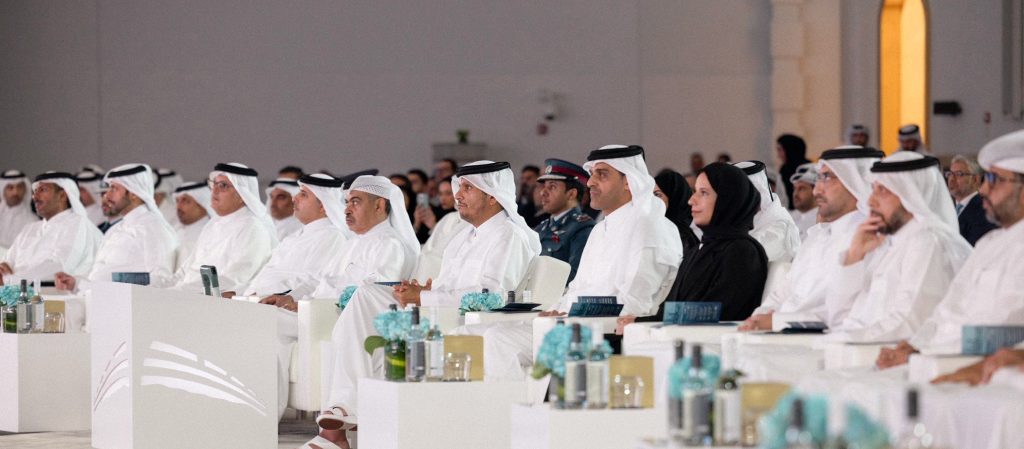
HE Sheikh Mohammed bin Abdulrahman bin Jassim Al Thani, Prime Minister and Minister of Foreign Affairs, inaugurated today the Ministry of Transport Strategy 2025–2030 under the slogan “Reaching Beyond Horizons,” in the presence of HE Sheikh Mohammed bin Abdullah bin Mohammed Al-Thani, Minister of Transport, and senior State officials.
The strategy charts an ambitious roadmap for developing Qatar’s transport and mobility sector, reinforcing its central role in driving economic growth, embedding sustainability, and accelerating innovation. It is built around a clear vision of an integrated, safe, resilient, and sustainable transport system, and a mission to lead the development of a high-efficiency logistics network that supports the pillars of Qatar National Vision 2030.
HE the Prime Minister affirmed that the strategy builds on Qatar’s achievements in transportation and logistics and strengthens the country’s position as a leading regional and international hub. He underlined that sustainability, innovation, and services that meet the aspirations of the leadership and people are central priorities of the plan.
HE the Minister of Transport stressed in his speech that the strategy stems from Qatar National Vision 2030 and aligns with the goals of the Third National Development Strategy through the development of world-class infrastructure. He noted that it places Qatar in a leading global position across logistics performance indicators, digital transformation, and smart mobility innovation.
He added that the strategy represents a transformative journey the Ministry is undertaking with determination in full partnership with public and private sector stakeholders, showcasing Qatar as a distinguished model of integrated, safe, and sustainable smart transport.
HE the Minister explained that the strategy sets out clear foundations to advance transport and logistics as a vital enabler of economic growth and diversification, an anchor for attracting high-quality investment, and a key driver of Qatar’s competitiveness regionally and globally.
He noted that the strategy reaffirms the Ministry’s firm commitment to developing an integrated, safe, resilient, and sustainable transport system, underpinned by advanced technology, innovation, and digitalisation. It also aims to enhance road safety standards, reduce carbon emissions, and deliver innovative digital services that meet the expectations of citizens, residents, and future generations.
HE the Minister underlined that empowering national talent to lead the future of smart mobility is a top priority. The strategy includes comprehensive training programmes, advanced initiatives, smart control centres, and the development of digital applications that address community needs.
The strategy consists of 125 projects across 42 initiatives, with investments exceeding QAR 1.2 billion, including 40% participation from the private sector as part of a genuine partnership to drive national development and support economic diversification.
Through 17 dedicated initiatives, the strategy also aims to improve public transport efficiency by providing services that are reliable, comfortable, and environmentally friendly. Qatar has already converted 73 percent of its public bus fleet to electric buses and targets a full transition to 100 percent by 2030, ensuring integration with the metro and tram networks.
The Ministry of Transport Strategy reflects the State’s vision of advancing the transport sector in an innovative and sustainable way, driving economic growth, maximising the use of existing infrastructure, and offering customer-centred services supported by data and advanced technologies, while enabling national talent and preparing it for the future.