
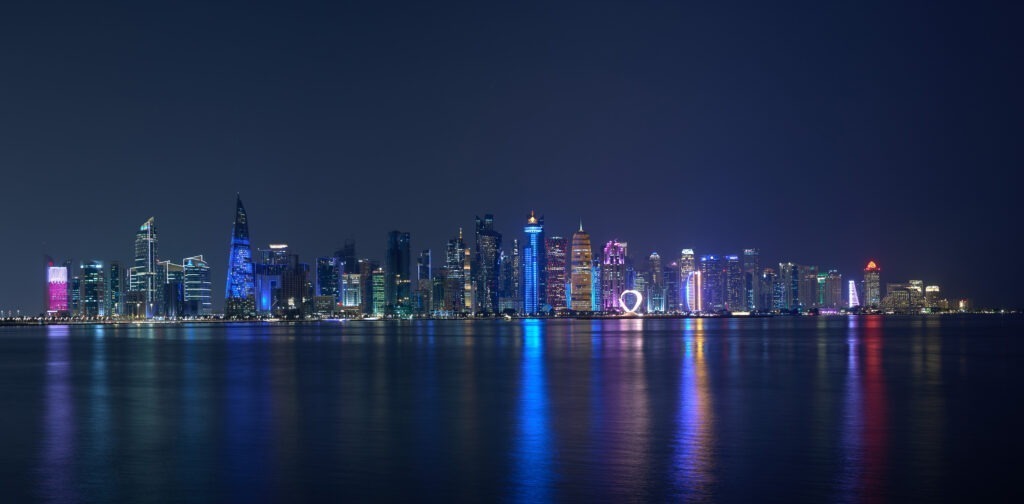
Facts about Qatar
Key insights about Qatar and its people
Discover key facts that define Qatar, from its unique geographical location, vibrant capital city, rich history and diverse community. Explore the core features that set the stage for Qatar’s remarkable journey of rapid development.
Geographical location
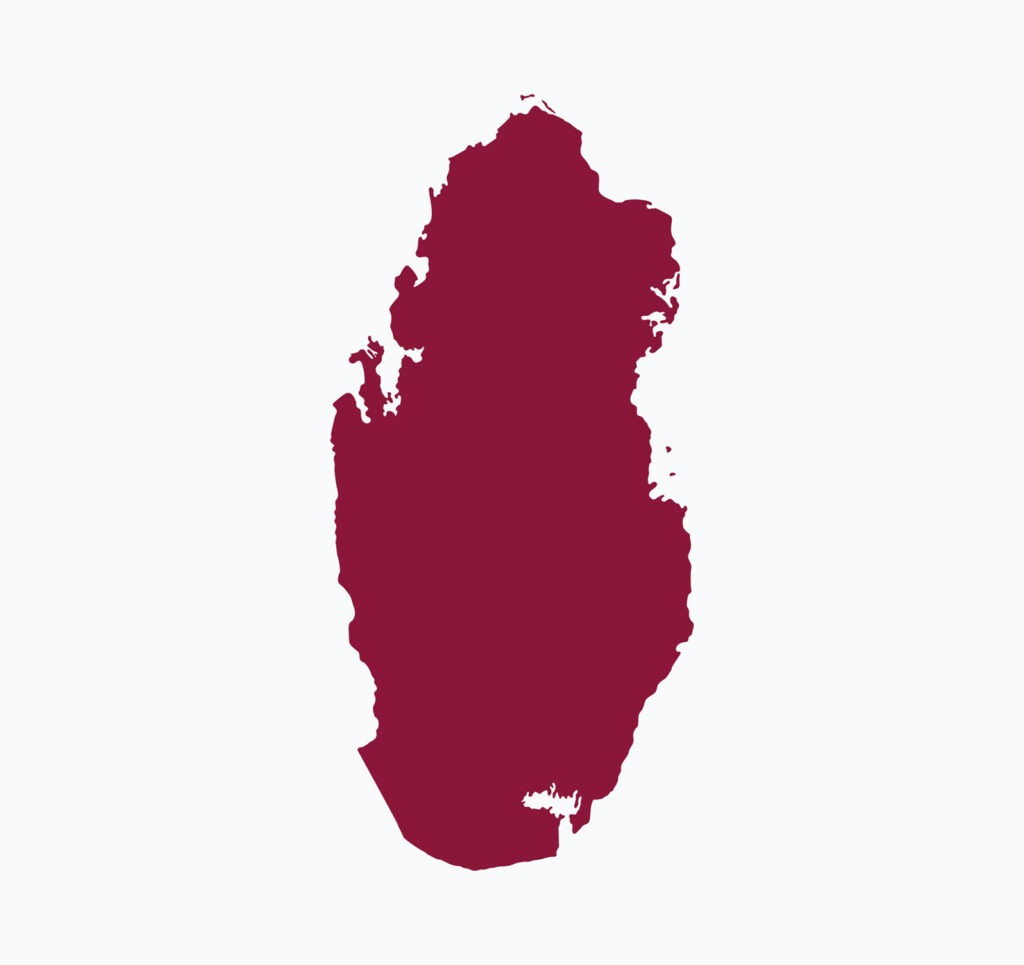
Nestled on the western coast of the Arabian Gulf and east of the Arabian Peninsula, Qatar’s territory encompasses the mainland and several islands, including Halul, Shraouh and Al Asshat.
Flag of Qatar
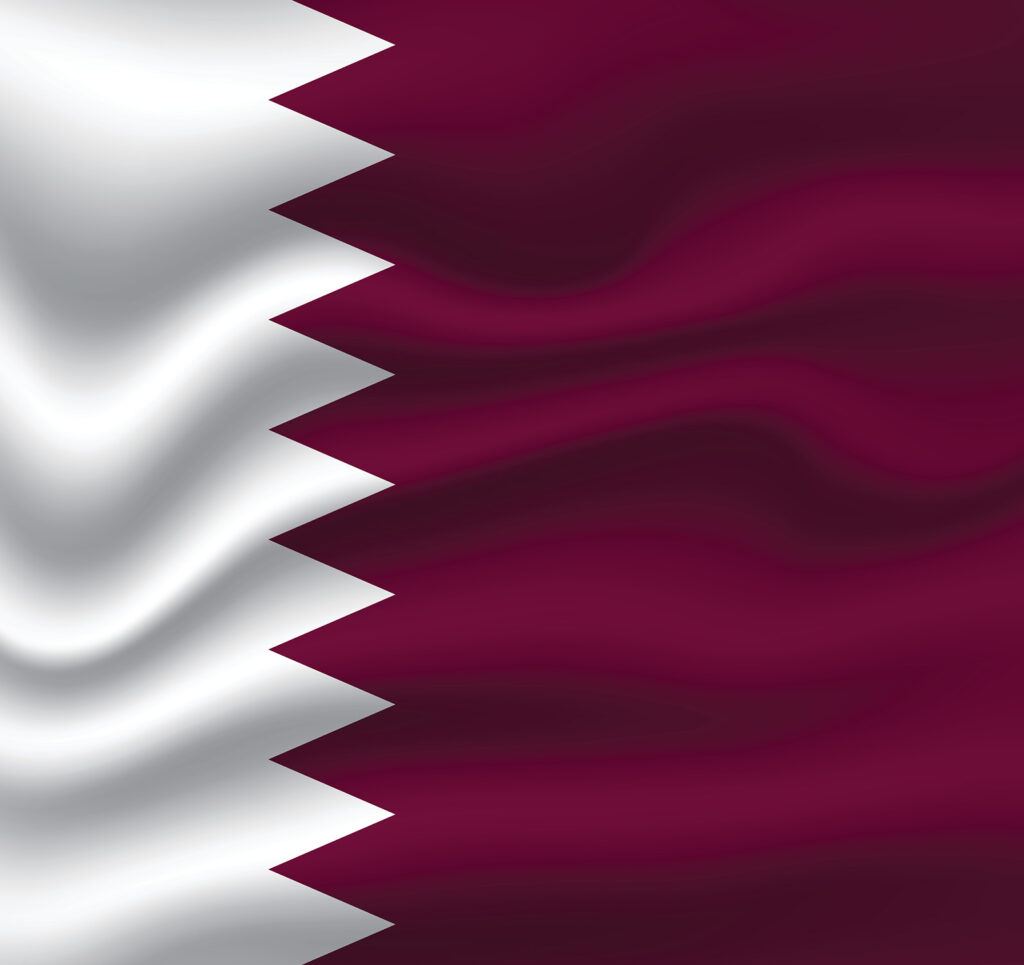
The Qatari flag features a maroon base, covering two-thirds of the flag, adorned with a broad white serrated band containing nine white points on the hoist side, which constitutes one-third of the flag.
Qatar’s Rulers
From its early days to the present, Qatar’s governance has been marked by a succession of visionary leaders. These rulers have played pivotal roles in guiding the nation’s growth, resilience and transformation.
Sheikh Mohammed bin Thani (1851 – 1878)
Sheikh Jassim bin Mohamed bin Thani (1878 – 1913)
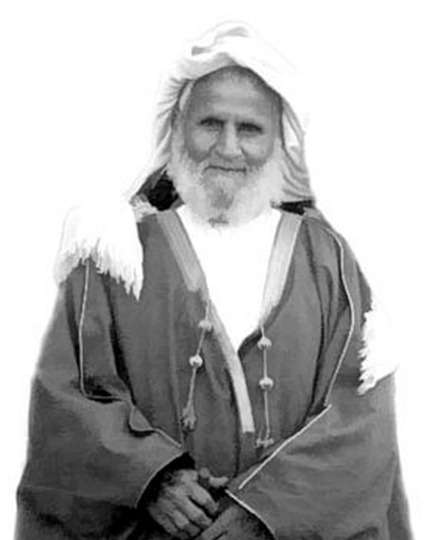
Sheikh Abdullah bin Jassim Al Thani (1913 – 1949)
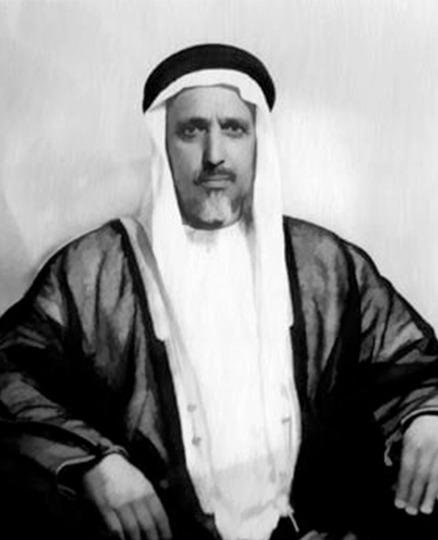
Sheikh Ali bin Abdullah Al Thani (1949 – 1960)
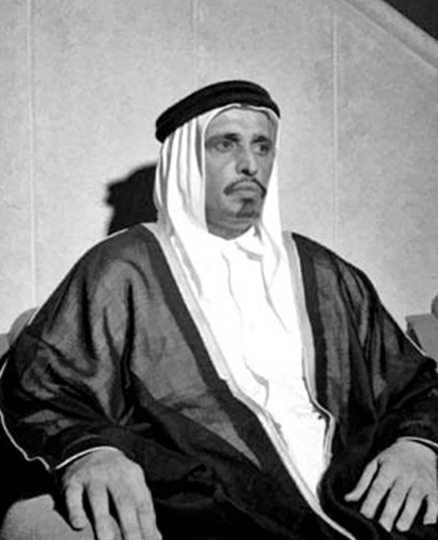
Sheikh Ahmed bin Ali Al Thani (1960 – 1972)
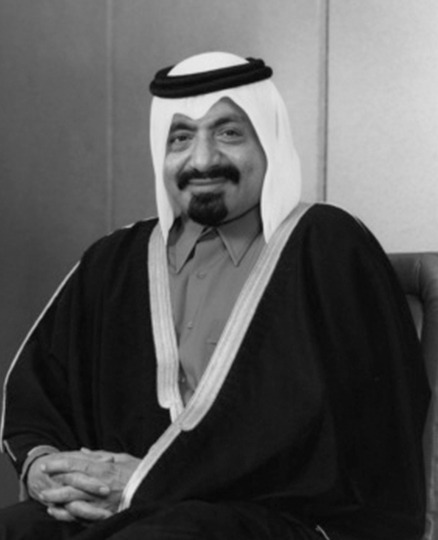
Sheikh Khalifa bin Hamad Al Thani (1972 – 1995)
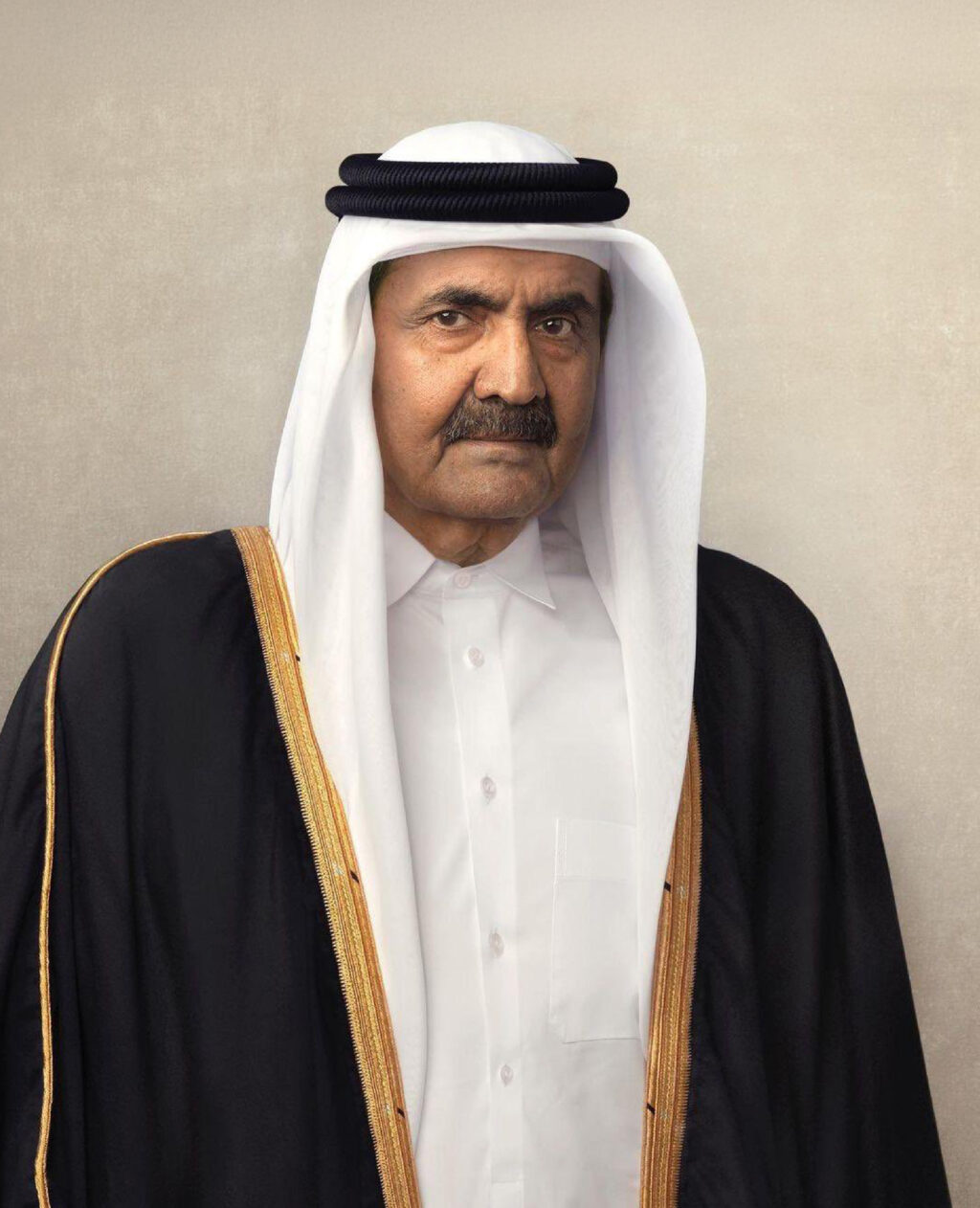
His Highness the Father Amir, Sheikh Hamad bin Khalifa Al Thani (1995 – 2013)
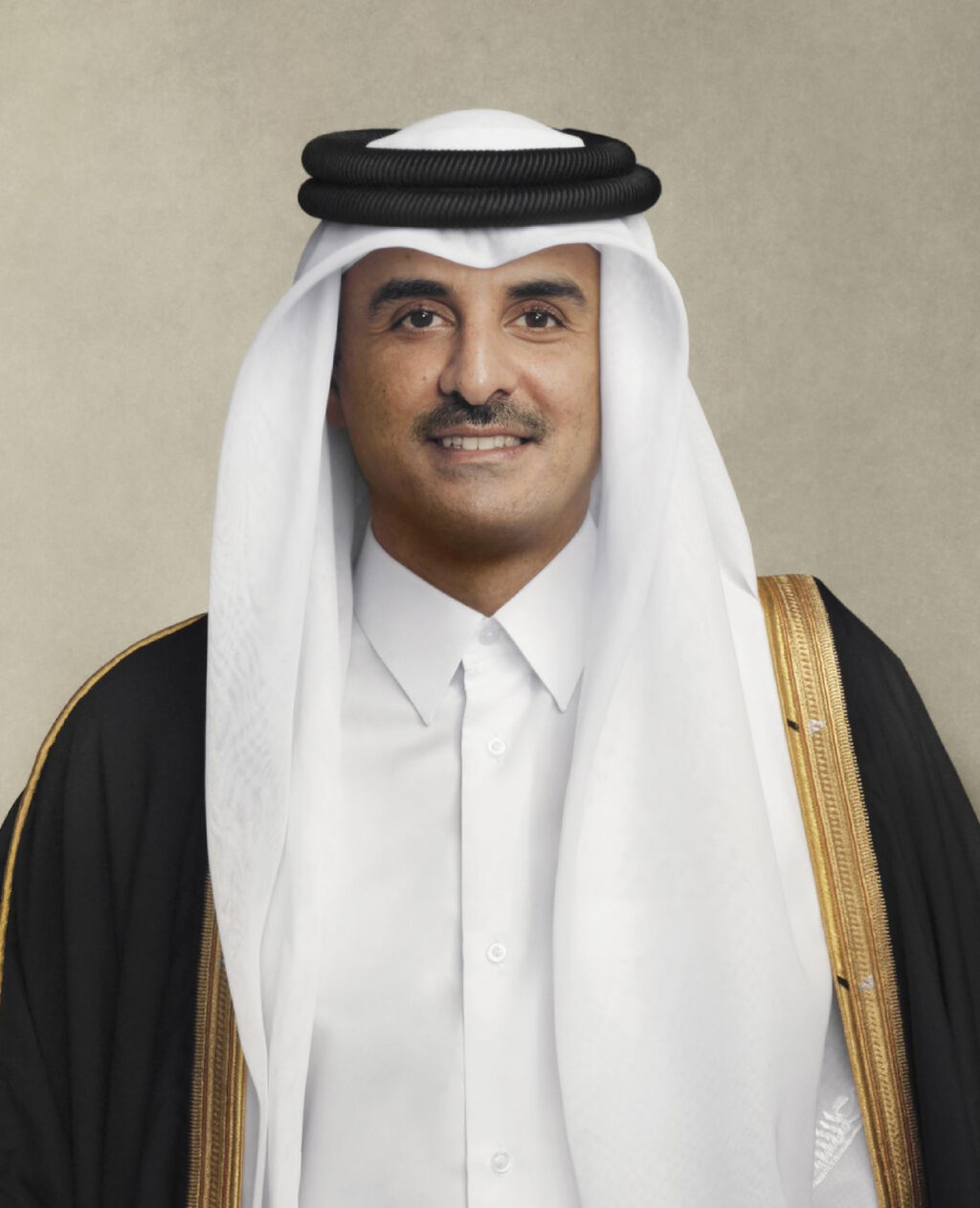
His Highness the Amir, Sheikh Tamim bin Hamad Al Thani
(2013 – Present)
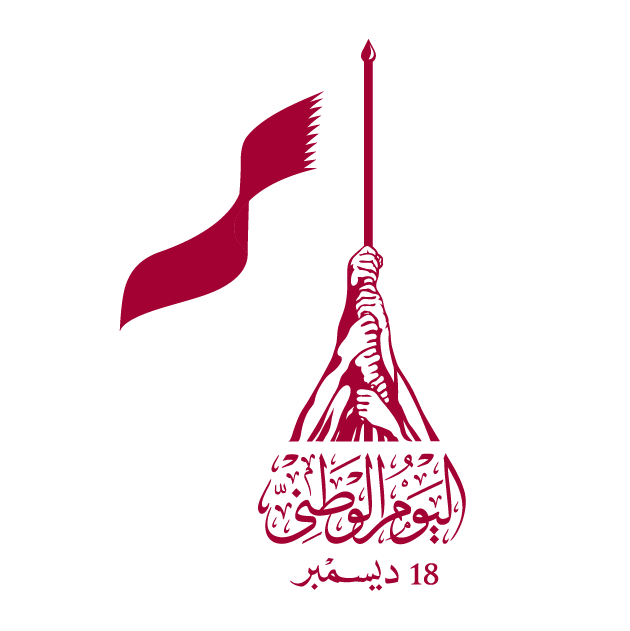
National Day
Qatar commemorates its National Day annually on December 18th, celebrating the country’s unification and independence under Sheikh Jassim bin Mohammed bin Thani in 1878. The day is an official national holiday.
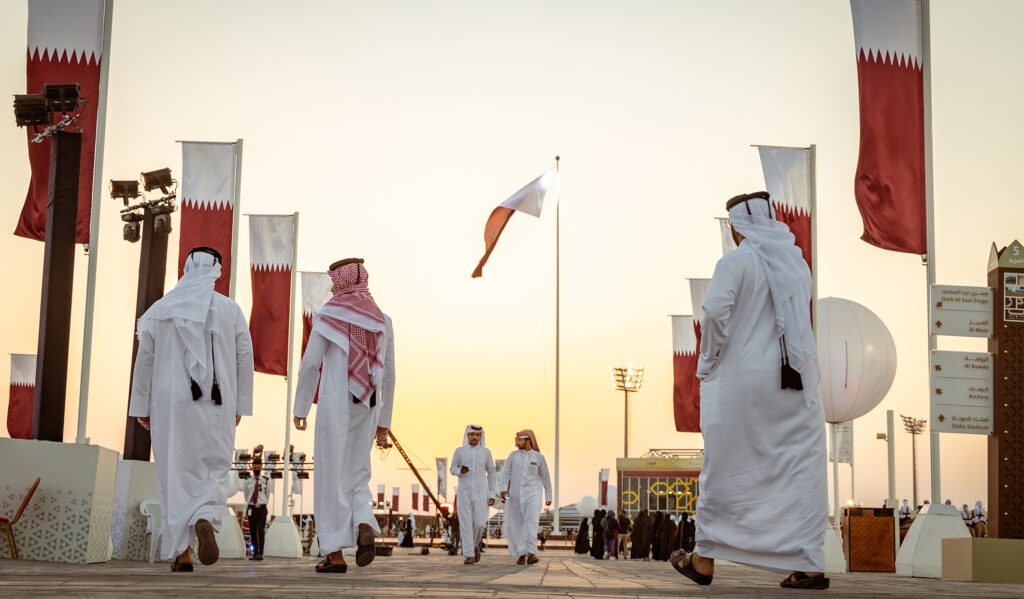
National Anthem
Qatar’s national anthem, As-Salam al-Amiri, was composed by poet Sheikh Mubarak bin Saif Al Thani.
Introduced in December 1996 following His Highness Sheikh Hamad bin Khalifa Al Thani’s ascension, the national anthem made its debut in the same year during a Gulf Cooperation Council Summit in Doha.
Key Facts

Population
As of August 2024, Qatar’s population has surpassed 3 million people.
Area
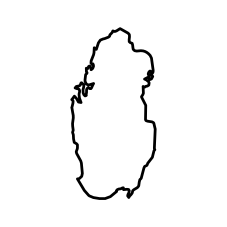
Qatar’s area spans over 11,636.8 km².
Capital
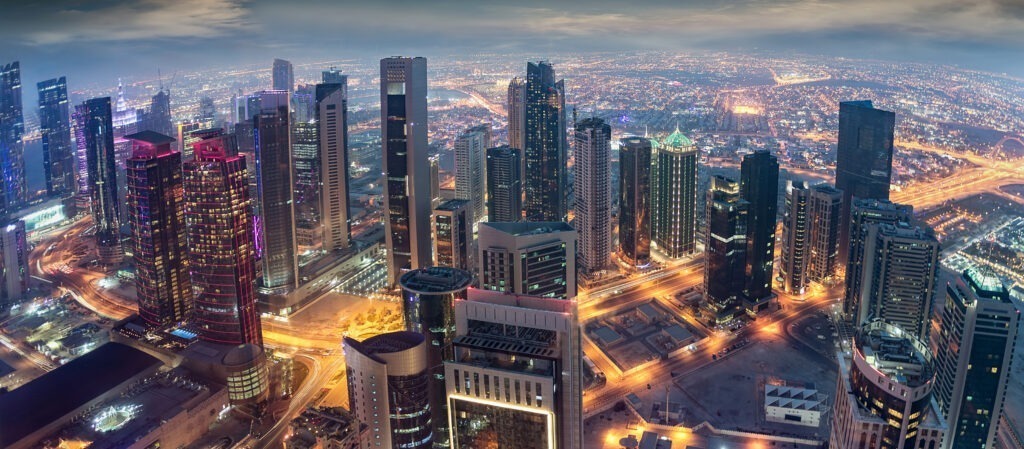
Doha, Qatar’s capital, serves as the governmental seat and the main commercial and financial hub of the country. A bustling cultural centre, the city boasts numerous museums and educational institutions.
Major Cities
Doha, Al Wakrah and Lusail are some of Qatar’s major cities. Other cities include Al Khor, Dukhan, Al Shamal, Mesaieed and Ras Laffan.
Religion
Qatar’s official religion is Islam and Sharia forms the foundation of all State legislation. However, Qatar is home to a diverse population practicing various faiths.

Language
Arabic is the official language. English is widely used as a second language across the country.

Climate
The State of Qatar has a distinct desert climate, characterised by hot, humid summers, mild winters and minimal rainfall. Temperatures in the summer range from 25 to 46 degrees Celsius.
Currency
The official currency of Qatar is the Qatari Riyal (QAR), maintained at a fixed exchange rate of USD 1 = QAR 3.64.
Economy
Qatar’s economy experienced remarkable growth after 1995, when His Highness Sheikh Hamad bin Khalifa Al Thani, the Father Amir, came to power and expanded Qatar’s domestic and international policies. The country established itself as a global economic player, particularly distinguishing itself as a leading exporter of Liquefied Natural Gas.
Recent economic performance indicators showcase Qatar’s resilience and growth, with a 1.2 percent annual increase in real GDP in Q3 2023 and an impressive 4 percent increase compared to Q2 in the previous year. This progress coincided with improved financial performance indicators, most notably ranking 11th in the 2024 World Competitiveness Report. In addition, Qatar received an upgraded AA2 credit rating from Moody’s, who revised their outlook to “stable” based on positive financial metrics achieved from 2021 to 2023.
Qatar continues to invest heavily in energy, with plans to expand LNG production to 142 million tonnes annually by 2030 through the North Field Expansion Project. Simultaneously, the country is embracing a comprehensive digital transformation, increasing investments in technology, innovation and artificial intelligence.
This accelerated growth has positioned Qatar as a key economic player in the Middle East and a global hub for investment, trade and tourism, offering a conducive environment for startups, entrepreneurs and the technology sector. In addition, the country’s successful hosting of major international events like the FIFA World Cup 2022™, Qatar Economic Forum and Web Summit Qatar 2024 further underscores its growing global influence.
Culture
Qatar offers a unique cultural scene that seamlessly blends ancient Arab traditions with contemporary elements.
As the country’s leading arts and culture institution, Qatar Museums plays a pivotal role in enriching its cultural landscape. It offers authentic and inspiring cultural experiences through a diverse network of museums, archaeological sites, events and programs. The institution oversees an impressive array of museums and creative centres, including the Museum of Islamic Art, Mathaf: Arab Museum of Modern Art, National Museum of Qatar and the 3-2-1 Qatar Olympic and Sports Museum.
Qatar firmly believes that culture serves as a bridge for fostering understanding between people and promoting dialogue among civilisations. To this end, Qatar actively participates in international cultural activities, as well as hosts and sponsors a variety of events that encourage cultural exchange.
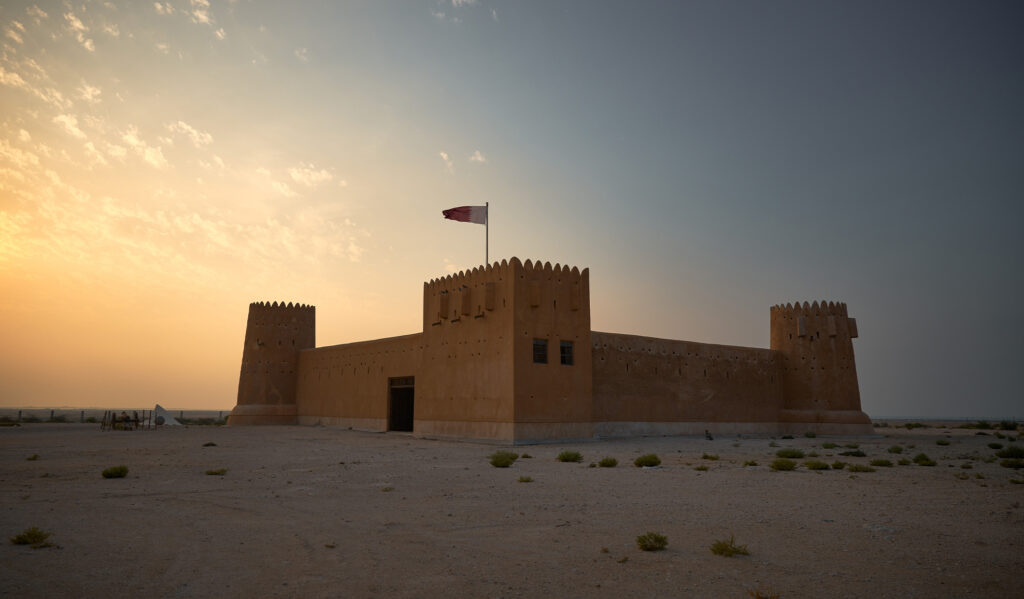
In 2013, Al Zubarah Fort, the country’s largest archaeological site, was inscribed on the UNESCO World Heritage List.
Education
Education stands as a key national priority for Qatar, with the country making substantial investments in educational development to create a unique learning environment aligned with the highest international standards.
Qatar is home to prestigious educational institutions, most notably Education City, which houses branches of renowned international universities including Georgetown, Northwestern, Carnegie Mellon, Texas A&M and Weill Cornell Medicine. Additionally, Qatar University, the national university, has gained significant recognition on the global stage, ranking 173rd in the 2024 QS World University Rankings. Complementing this is Hamad Bin Khalifa University (HBKU), a national institution within Education City, which focuses on pioneering research and innovation, contributing to Qatar’s knowledge-based economy.
Guided by its Qatar National Vision 2030, the country is committed to empowering future generations by delivering world-class education focused on developing skills, knowledge, and creativity. This comprehensive approach to education directly contributes to achieving sustainable development and facilitating Qatar’s transition to a knowledge-based economy.