The FIFA WORLD CUP QATAR 2022™
A Dream Turned Reality
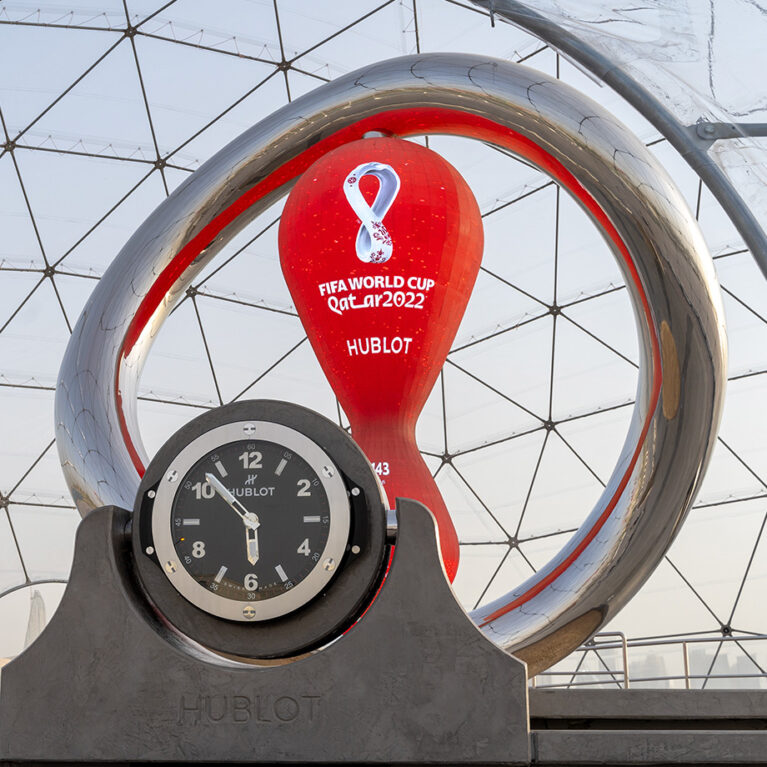
Explore the key milestones of the FIFA World Cup Qatar 2022™ since the State of Qatar was awarded the tournament. The country’s efforts include submitting the bid, building the stadiums, establishing a legacy, and delivering a remarkable tournament.
Sustainability
The FIFA World Cup Qatar 2022™ has accelerated the State of Qatar’s journey towards realising the Qatar National Vision 2030, which is structured around four interconnected development pillars: environmental, human, economic and social.
Inspired by this vision, Qatar’s edition of the tournament introduced a joint FIFA World Cup Qatar 2022 Sustainability Strategy, covering all three phases from preparation, staging and post-tournament activities, leaving a lasting legacy for the country and beyond.

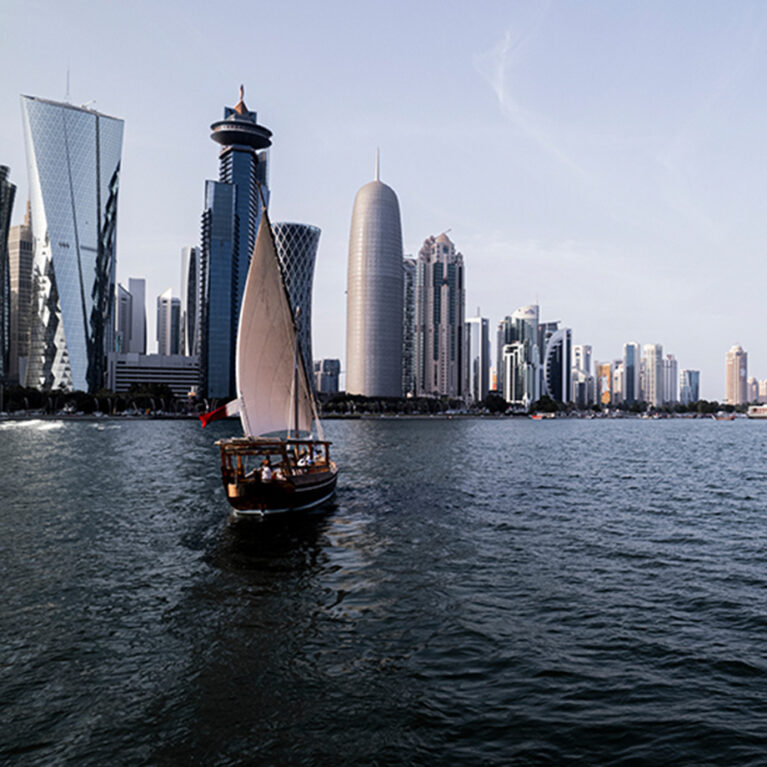
Environmental Development
Sustainable Stadiums
- All FIFA World Cup stadiums achieved a minimum four-star rating under the Global Sustainability Assessment System (GSAS) for design, construction and facility management. In addition, all eight stadiums successfully received Gold-level certification for operations
- Use of renewable energy at various construction stages
- Waste management and water conservation practices coupled with smart control systems minimised resource requirements and negative environmental impacts
- A total of 250,000 seats for six FIFA World Cup stadiums were produced locally by Coastal Qatar, which reduced costs and contributed to the national economy
Green Spaces
- 500,000 sqm of green spaces in stadium precincts that are irrigated with recycled water, reducing water consumption by up to 40% less than the international benchmark
Eco-Friendly Transportation System
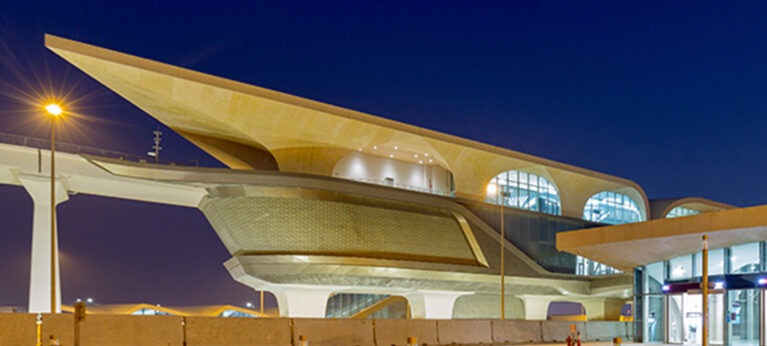
- An integrated public transport system, including the Doha Metro, new bus routes and tram systems in Lusail City and Education City to facilitate fans’ mobility and reduce reliance on cars
- Transforming public bus fleets to electric, which reduced greenhouse gas emissions and air pollution
Green Legacy for Future Generations
The positive impact of FIFA World Cup sustainability initiatives lives on beyond the tournament, sowing seeds of lasting, transformative change. Qatar’s state-of-the-art stadiums and infrastructure stand as models of sustainable innovation in construction and design, catalysing a shift in environmental consciousness, influencing future developments and setting a new standard for eco-friendly large-scale projects in Qatar and beyond.
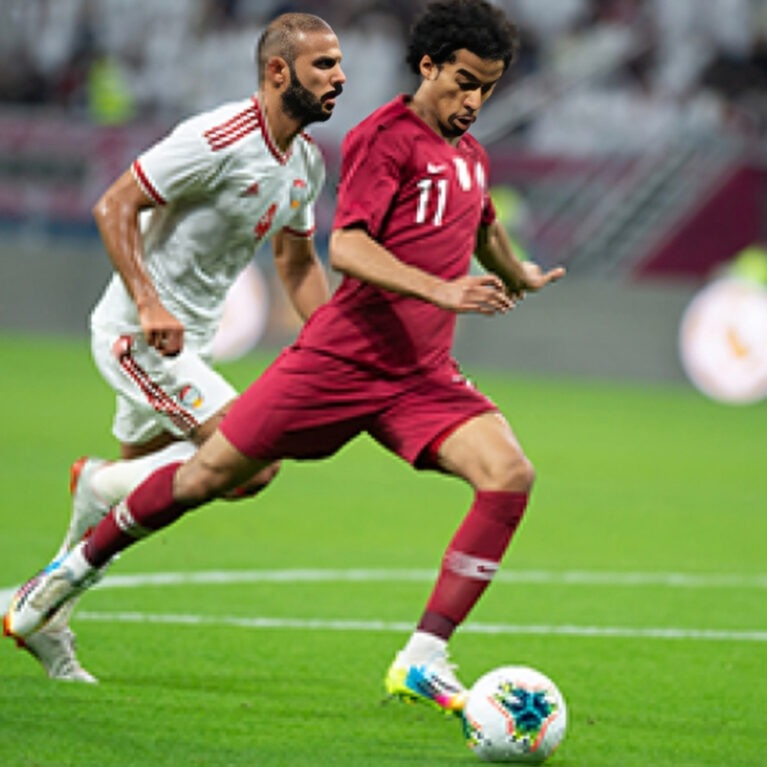
Human Development
The FIFA World Cup Qatar 2022 emerged as a powerful catalyst for human development and an inspiration for generations to come.
Building Expertise and Knowledge Exchange
- The Supreme Committee for Delivery & Legacy (SC), the local organising committee, dedicated 20,000+ hours of specialised training, fostering world-class expertise and facilitating knowledge exchange among industry professionals from across the globe
- The SC provided training courses on green building practices through the Global Sustainability Assessment System (GSAS), ensuring environmental stewardship in Qatar’s future projects.
- A series of online training courses on sustainability and major sporting events was delivered to nearly 900 people across 80 countries
- The FIFA World Cup created new career paths and educational programs in event management and related fields while enhancing skills in accommodating and managing large influxes of international visitors
- The knowledge and experience gained from the FIFA World Cup has been applied to other international events hosted in Qatar, such as Formula 1, AFC Asian Cup, Web Summit and various other international conferences and sporting events
- Qatari cadres went on to support other major events around the world. Most recently, Qatar security forces supported with safeguarding the Paris 2024 Olympics
Generation Amazing
- The SC’s human and social legacy initiative, Generation Amazing utilises the power of football as a catalyst for transformative social change. By strategically developing sports infrastructure and offering comprehensive training programs, Generation Amazing seeks to empower youth, establish a better future for communities and create a lasting social impact worldwide
- The program has reached over one million beneficiaries in schools and communities worldwide, including Brazil, Russia, Jordan, Oman, Lebanon, Nepal, India, Pakistan, the Philippines, Haiti, the United Kingdom, Syria and Rwanda

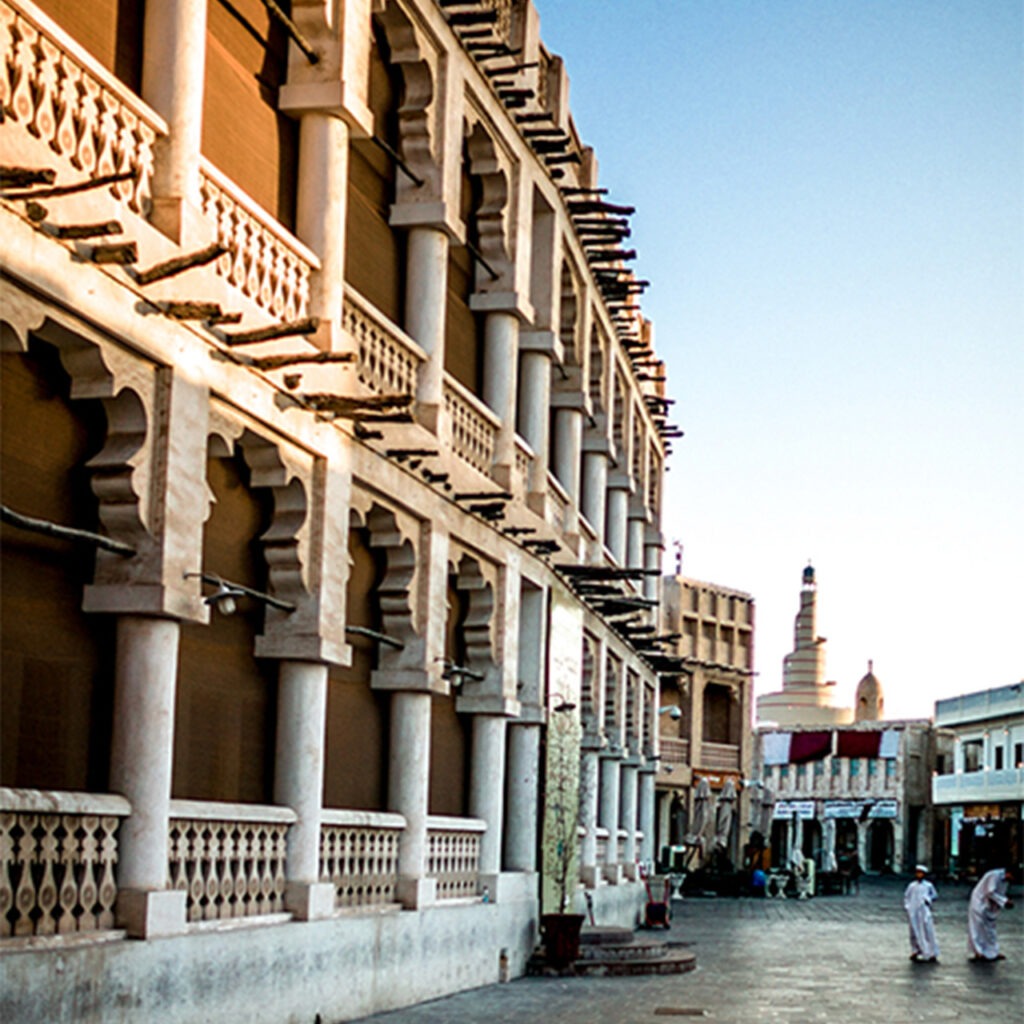
Economic Development
The FIFA World Cup Qatar 2022 significantly boosted Qatar’s economic profile. Through massive infrastructure investments and strategic partnerships, the tournament generated numerous job opportunities, serving as a catalyst for economic diversification and growth across sectors.
Local Partnerships
- All eight stadiums were constructed in partnership with local and international companies, bolstering the national economy and private sector
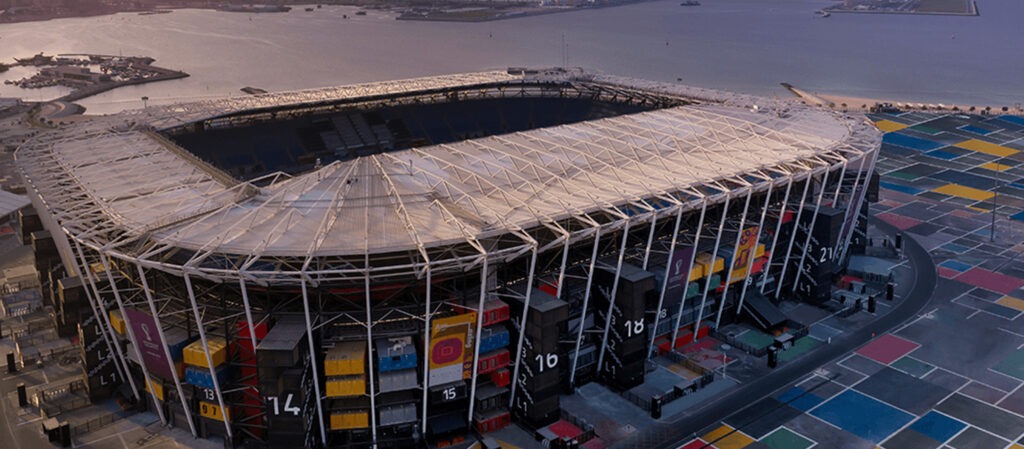
- Thanks to their innovative designs, some FIFA World Cup stadiums were converted into public facilities after the tournament, promoting sustainability and providing investment opportunities for the local community
Sustainable Growth
- The FIFA World Cup Qatar 2022 set the stage for sustained economic growth and diversification
- Direct financial returns from hosting the FIFA World Cup Qatar 2022™ amounted to approximately QAR 8 billion (USD 2.2 billion), while long-term economic returns from 2022 to 2035 are estimated at QAR 9.9 billion (USD 2.7 billion), alongside increased tourism revenues during and after the World Cup
- The FIFA World Cup elevated Qatar’s position as a global tourism destination, increasing the number of international visitors by 157% post-tournament and consequently, benefitting the aviation and hospitality sectors
Fostering Innovation & Entrepreneurship
- Challenge 22, an innovation competition, provided start-ups and emerging companies from the region a platform to take their products and services to the market, stimulating innovation and competition in the local business ecosystem
- The initiative facilitated innovative solutions that met the needs of fans and visitors during the tournament, enhancing their experience while supporting the local economy.
Social Development
- The FIFA World Cup Qatar 2022 local organising committee implemented a comprehensive strategy to ensure the tournament’s inclusivity, particularly for people with disabilities, to ensure all attendees have an exceptional experience
Accessibility
- All FIFA World Cup stadiums were designed with special facilities for people with disabilities, allowing them to fully enjoy the tournament
- During the FIFA Club World Cup Qatar 2019™ and the 24th Arabian Gulf Cup, several measures to improve the experience of people with disabilities were implemented and tested. These included infrastructure developments, staff and volunteer training, streamlined ticketing processes and accessible transportation systems
Sensory Rooms
- Stadium sensory rooms provided a safe space for fans with sensory disabilities to watch matches. Approximately 150 boys and girls with sensory disorders were able to attend a football match for the first time
- Sensory rooms were equipped with various tools to help attendees maintain calm and focus. These included noise-cancelling headphones, relaxation aids and visual match schedules
Audio Descriptive Commentary in Arabic
- For the first time in FIFA history, blind and visually impaired fans benefitted from audio descriptive commentary in Arabic, providing them a detailed account of what is happening in the stadium
- Launched during the 2021 FIFA Arab Cup, the initiative was developed by the Hamad Bin Khalifa University Translation and Interpreting Institute in partnership with the Center for Access to Football in Europe
Sustainable Human Legacy
- Qatar’s success in providing an inclusive environment for people with disabilities has established a new benchmark in event organisation, inspiring major event organisers worldwide to embrace similar practices.
- These groundbreaking initiatives created a lasting human legacy, underscoring the critical importance of equal access and participation in sports and cultural events.
Governance
From the outset, Qatar committed to organising the FIFA World Cup Qatar 2022 according to the highest standards of governance and sustainability, in line with the United Nations Sustainable Development Goals. This commitment was reflected in the implementation of rigorous and transparent policies throughout all phases of the tournament.
Performance Monitoring and Tracking Systems
- The SC established comprehensive systems to monitor performance and ensure adherence to best practices in management and auditing
- Effective mechanisms were implemented to oversee and review progress reports on various tournament projects, guaranteeing transparency and accountability
Sustainable Supply Chains
- The SC diligently monitored local and global supply chains to ensure suppliers’ compliance with sustainability and social responsibility standards
Sustainability Reports
- The SC prepared and published regular sustainability reports in line with Global Reporting Initiative standards, ensuring transparency
Sharing Lessons Learned
- The SC actively shared lessons learned and successful practices with FIFA, contributing to the enhancement of sustainability in future tournaments
A Model of Good Governance
- Through the FIFA World Cup Qatar 2022™, Qatar demonstrated its capability to organise major global events with exemplary standards of governance and transparency. This successful endeavor will serve as an inspiration for numerous countries and organisations in the future. The SC implemented a comprehensive system to monitor anf Special policies have been developed to monitor performance, compliance