
Qatar National Vision 2030
Programs & Projects
Featured Programs
Qatar has made significant strides in infrastructure and economic development to align with its Qatar National Vision 2030. Robust investments in road infrastructure have improved travel efficiency and urban safety. As part of its sustainable economic growth program, Qatar is advancing job localisation, expanding LNG production through the North Field project and creating free zones to attract foreign investment. Additionally, the nation is embracing digital transformation, fostering startups and positioning itself as a leader in artificial intelligence to drive innovation and diversification.
Infrastructure Program
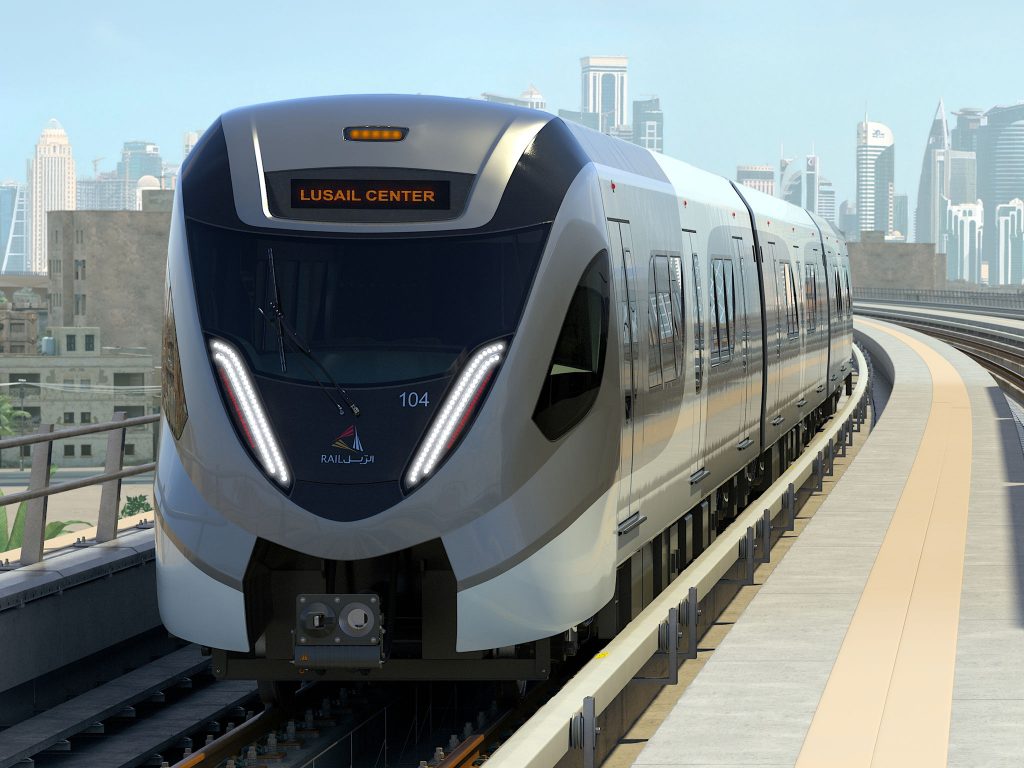
Project | Metro Doha and Lusail
Managed by Qatar Rail, Qatar’s multi-billion-dollar, state-of-the-art rail network comprises the Doha Metro and Lusail Tram. Since its launch in 2019, the 76-km metro has served over 2 million passengers until 2024. Complementing this, the Lusail Tram, has transported over 5.5 million riders since its operation in 2022. The network has supported Qatar’s hosting of major events while driving its urban development and sustainability goals. During the FIFA World Cup 2022™ alone, the Doha Metro and Lusail Tram successfully served over 18.2 million fans.
Infrastructure Program
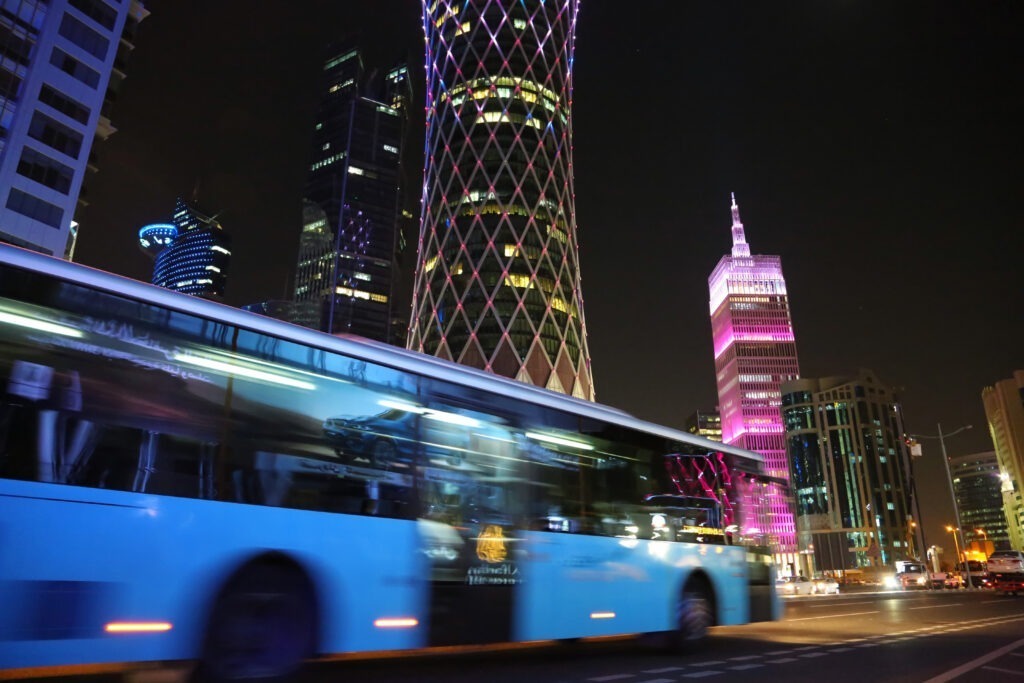
Project | Electric Bus Fleet
Qatar’s commitment to sustainability is exemplified by its goal to transform 100% of its bus fleet to electric by 2030, in line with its national vision. The Ministry of Transport recently announced that the current operating rate stands at an impressive 70%, putting the country well on track to reach its 2030 target. This initiative, part of the Public Bus Infrastructure Program developed with the Public Works Authority (Ashghal), aims to significantly reduce carbon emissions and fuel consumption, promoting sustainability and improving air quality for both residents and visitors alike.
Infrastructure Program
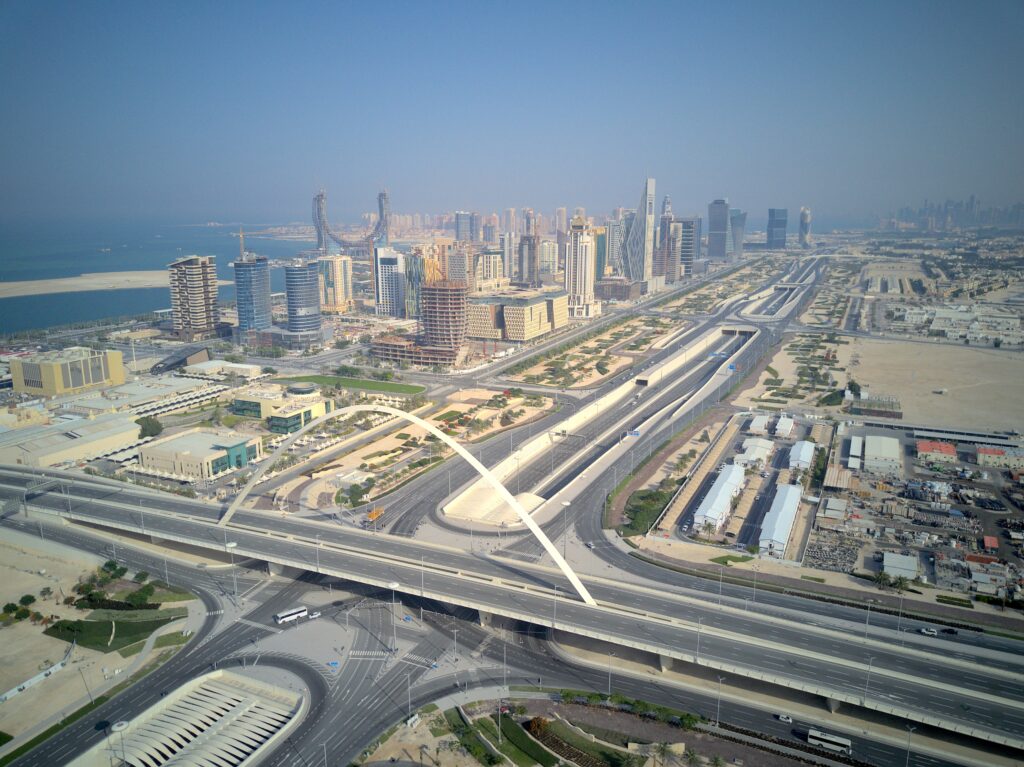
Project | Road Networks
Qatar has invested heavily in its road infrastructure, transforming the country’s transportation network. The Public Works Authority (Ashghal) spearheaded the Expressway Programme, constructing 935 km of roads by 2022, with plans for an additional 150 km by 2030. This initiative includes advanced infrastructure such as highways, drainage systems, smart transportation technology, and pedestrian and cyclist facilities. Complementing this, local road projects have improved existing areas with new sewage networks and service upgrades. These developments have significantly reduced travel times, improved connectivity and enhanced safety, thereby boosting economic growth and quality of life.
Sustainable Economic Growth
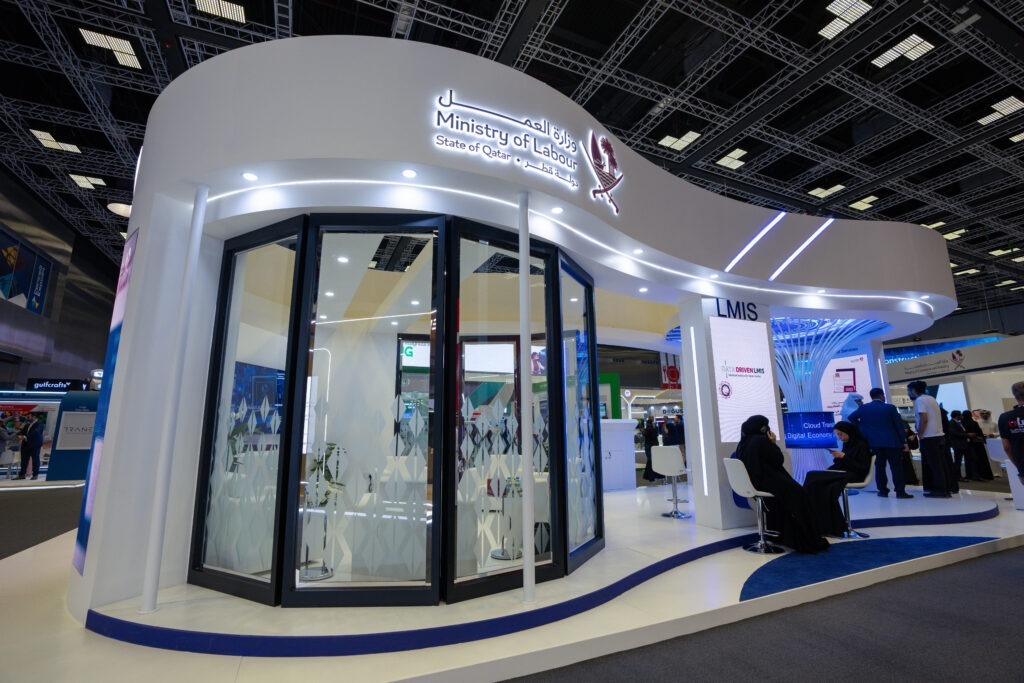
Project | Job Localisation
Qatar’s vision for sustainable economic growth focuses on creating a knowledge-based economy, making job localisation a key national priority. Through various initiatives and programs, the country has made great strides to upskill and employ Qatari nationals across various sectors, reducing reliance on foreign labour while developing a skilled national workforce. Recently, Qatar bolstered these efforts with Law No. (12) of 2024 on localising private sector jobs. This comprehensive approach, combining legislative action with practical support, aims to increase Qatari participation in the workforce, empowering citizens as key contributors to a diverse, sustainable economy.
Sustainable Economic Growth
Project | North Field Expansion
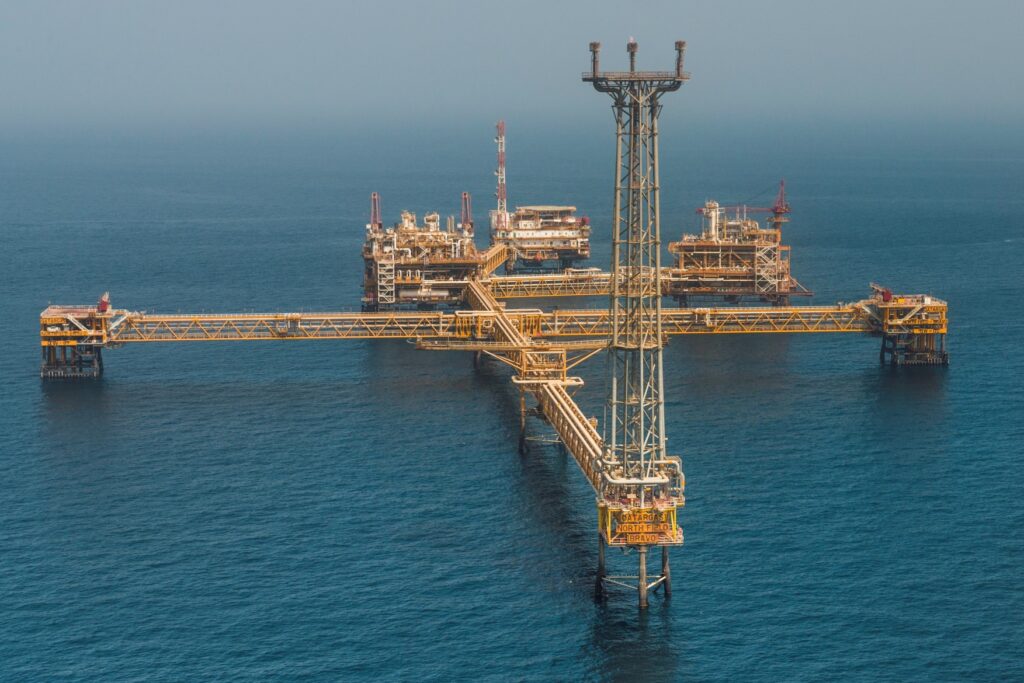
A global leader in LNG production, Qatar is further solidifying its position through the North Field Expansion Project. Recently, Qatar announced plans to boost its LNG production capacity to an impressive 142 million tonnes per annum before 2030, representing a nearly 85% increase from current levels. This expansion, named North Field West, will add 16 million tonnes of LNG per year to existing plans. While strengthening its hydrocarbon sector, Qatar is simultaneously diversifying its economy by stimulating non-hydrocarbon sectors, aligning with the Qatar National Vision 2030.
Sustainable Economic Growth
Project | Free Zones
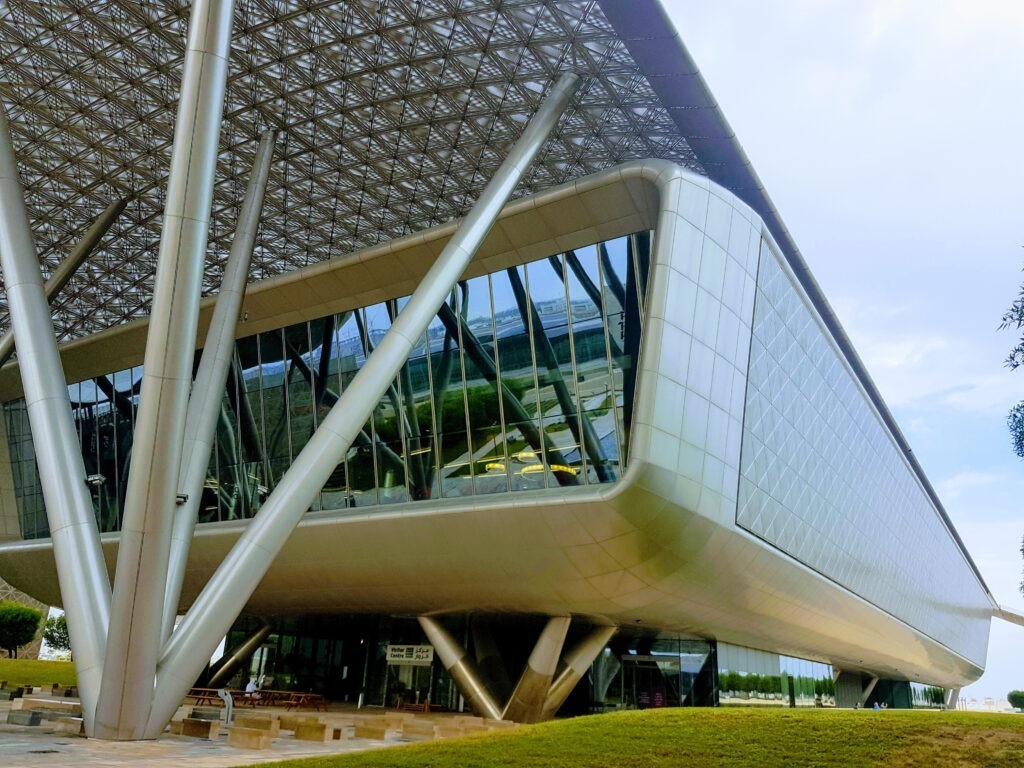
To attract foreign investment and promote innovation, Qatar has established several free zones, including the Qatar Free Zone (QFZ), Qatar Financial Centre (QFC) and Qatar Science & Technology Park (QSTP). These zones offer a highly favourable business environment with compelling incentives such as 100% foreign ownership, tax exemptions, streamlined customs procedures, state-of-the-art infrastructure, and proximity to key markets. Managed by QFZ and located near Hamad International Airport, the Ras Bufontas free zone focuses on technology and logistics. Um Alhoul, adjacent to Hamad Port, specialises in maritime industries and logistics.
Investment and Technology
Project | Digital Government
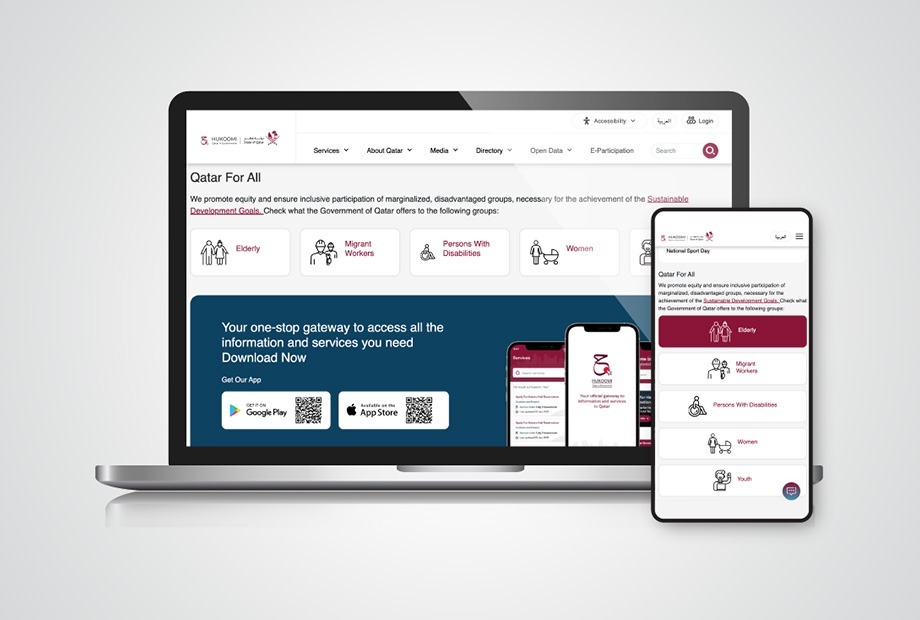
The Qatar Digital Government initiative aims to transform public services by leveraging advanced technologies to enhance accessibility, efficiency and transparency. Aligned with Qatar National Vision 2030, it seeks to digitise over 90% of government services, creating a seamless and user-friendly experience for citizens and residents. The initiative promotes the adoption of AI, IoT and blockchain to optimise operations and decision-making. By fostering innovation and modernising public services, it supports Qatar’s transition to a knowledge-based, digital-first economy.
Investment and Technology
Project | Nurturing Start-ups
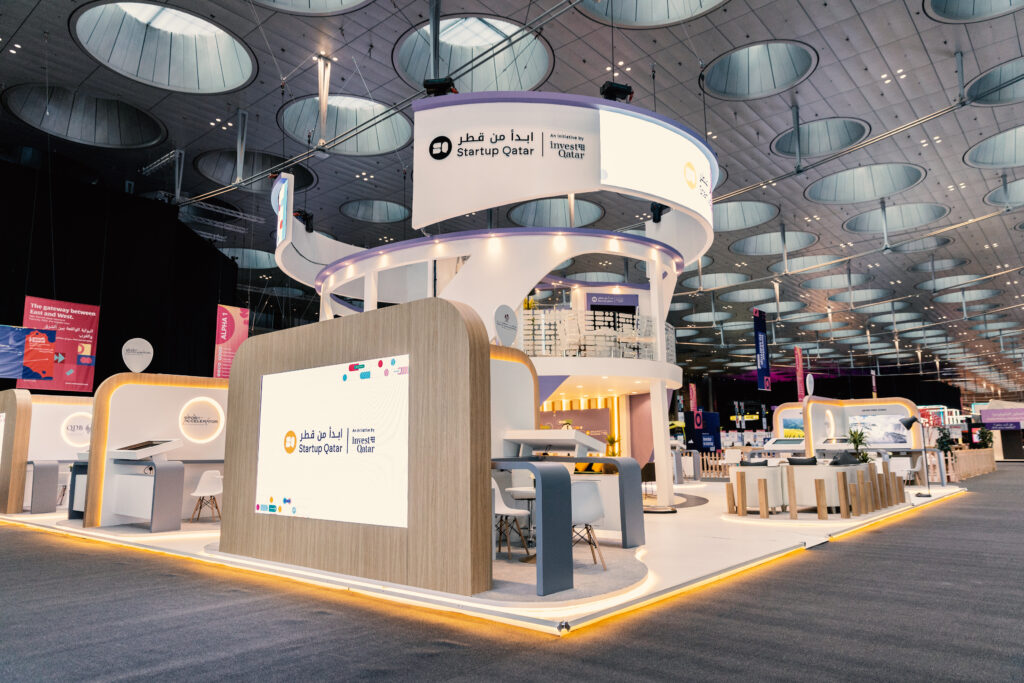
Qatar’s Startup Program fosters innovation and entrepreneurship, most recently through initiatives such as Web Summit, WSJ Tech Live, and even earlier through Qatar Science & Technology Park, the Digital Incubation Center and Invest Qatar. These programs provide startups with mentorship, funding, state-of-the-art facilities and networking opportunities. The startup ecosystem is thriving, supported by business-friendly regulations, streamlined processes, and access to global markets. As Qatar diversifies its economy, its focus on technology and innovation positions startups as key drivers of sustainable growth and economic transformation.

Investment and Technology
Project | Artificial Intelligence
Qatar is positioning itself as the region’s next AI hub through various strategic initiatives, including the Ministry of Communications and Information Technology’s National AI Strategy. Aligned with QNV 2030, the strategy aims to position the country as an efficient producer and consumer of world-class AI applications across sectors, fostering innovation and building local capabilities. Qatar also launched Fanar, a series of Arabic-centric large language models, showcasing its commitment to creating culturally relevant LLMs and bridging a crucial gap in the global AI landscape. In early 2024, Qatar hosted its first edition of the Web Summit, which had a strong focus on AI, featuring discussions on its transformative potential and ethical implications.